
What Are Urinary Tract Disorders?
Urinary tract disorders include a range of problems involving the kidneys, ureters, bladder and urethra. Symptoms may include frequent urination, urgency, burning while passing urine, difficulty emptying the bladder or leakage of urine.
Proper evaluation helps identify the underlying cause and guides an appropriate treatment plan based on the individual's symptoms and clinical findings.
Why Choose Evaluation?
- Assessment of persistent or recurrent urinary symptoms
- Evaluation of recurrent urinary tract infections
- Bladder and urinary-function assessment
- Individualized treatment planning
- Follow-up for ongoing urinary concerns
When Should Urinary Symptoms Be Evaluated?
Persistent, recurrent or troublesome urinary symptoms may need assessment by a urologist.

Recurrent Urinary Infections
Repeated UTI symptoms or infections that keep returning may require evaluation for an underlying cause.
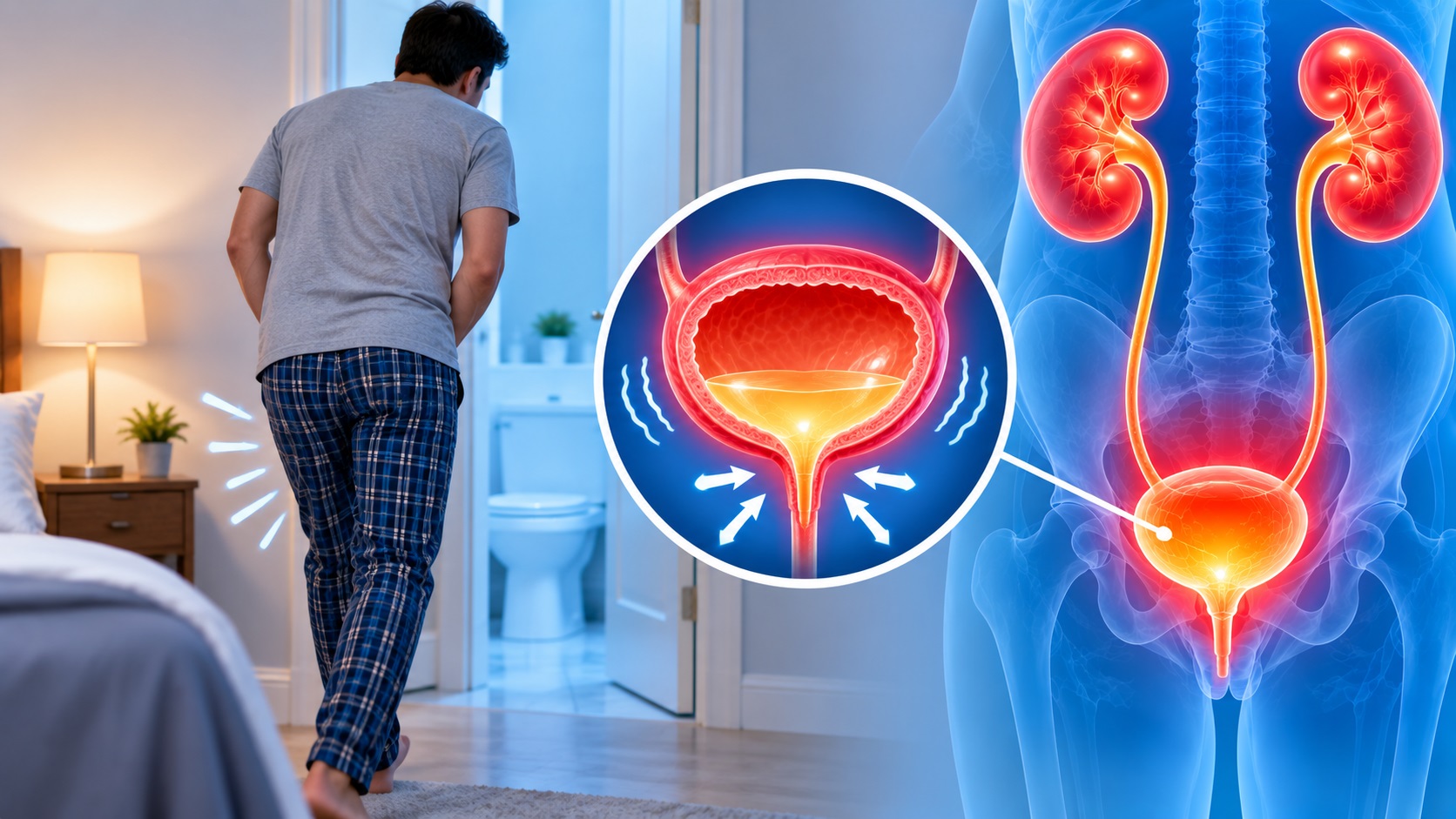
Frequent Urination
Frequent daytime or nighttime urination can have several possible causes and may need assessment.
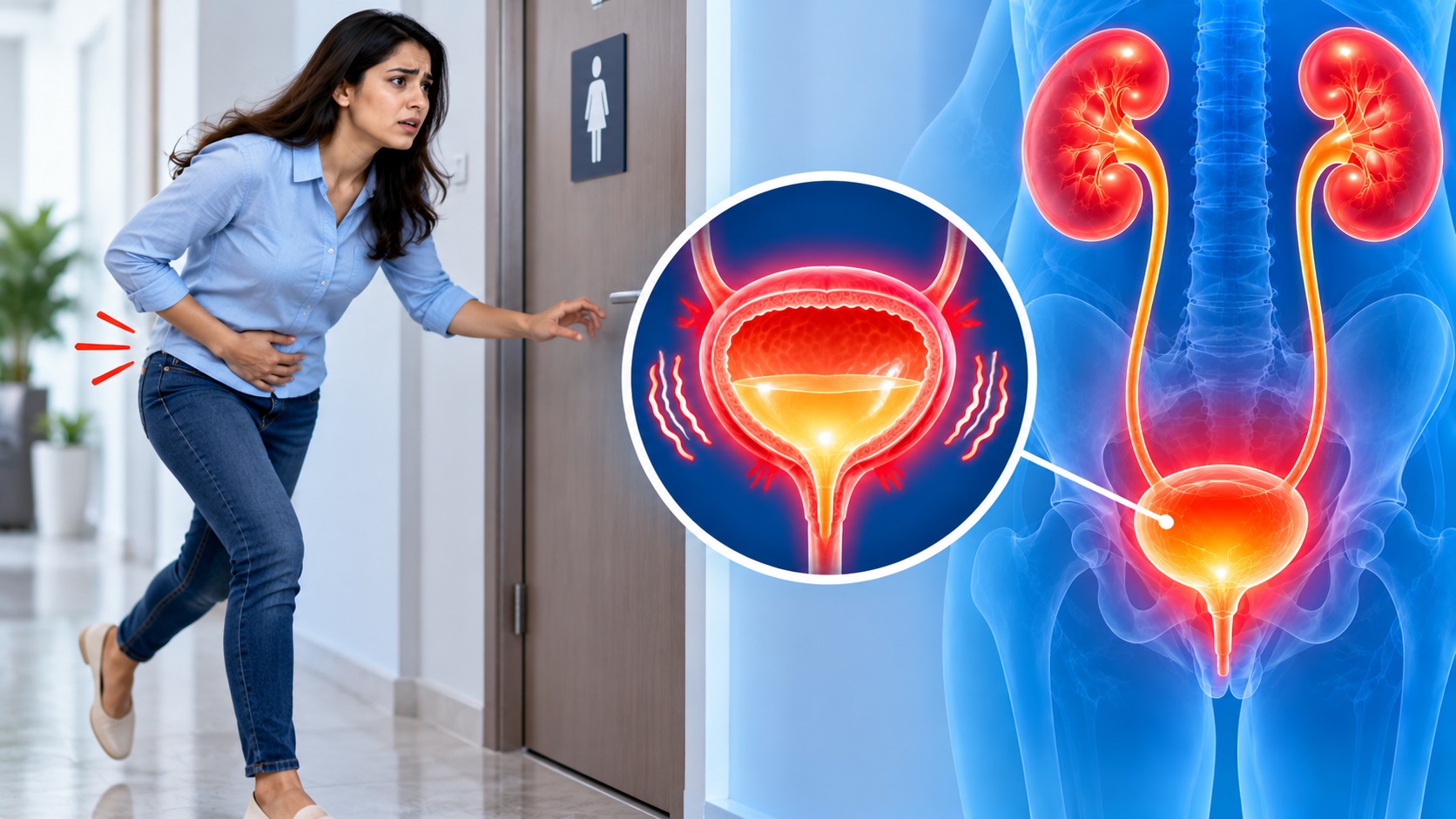
Urinary Urgency
A sudden, difficult-to-control need to pass urine may be associated with bladder dysfunction.
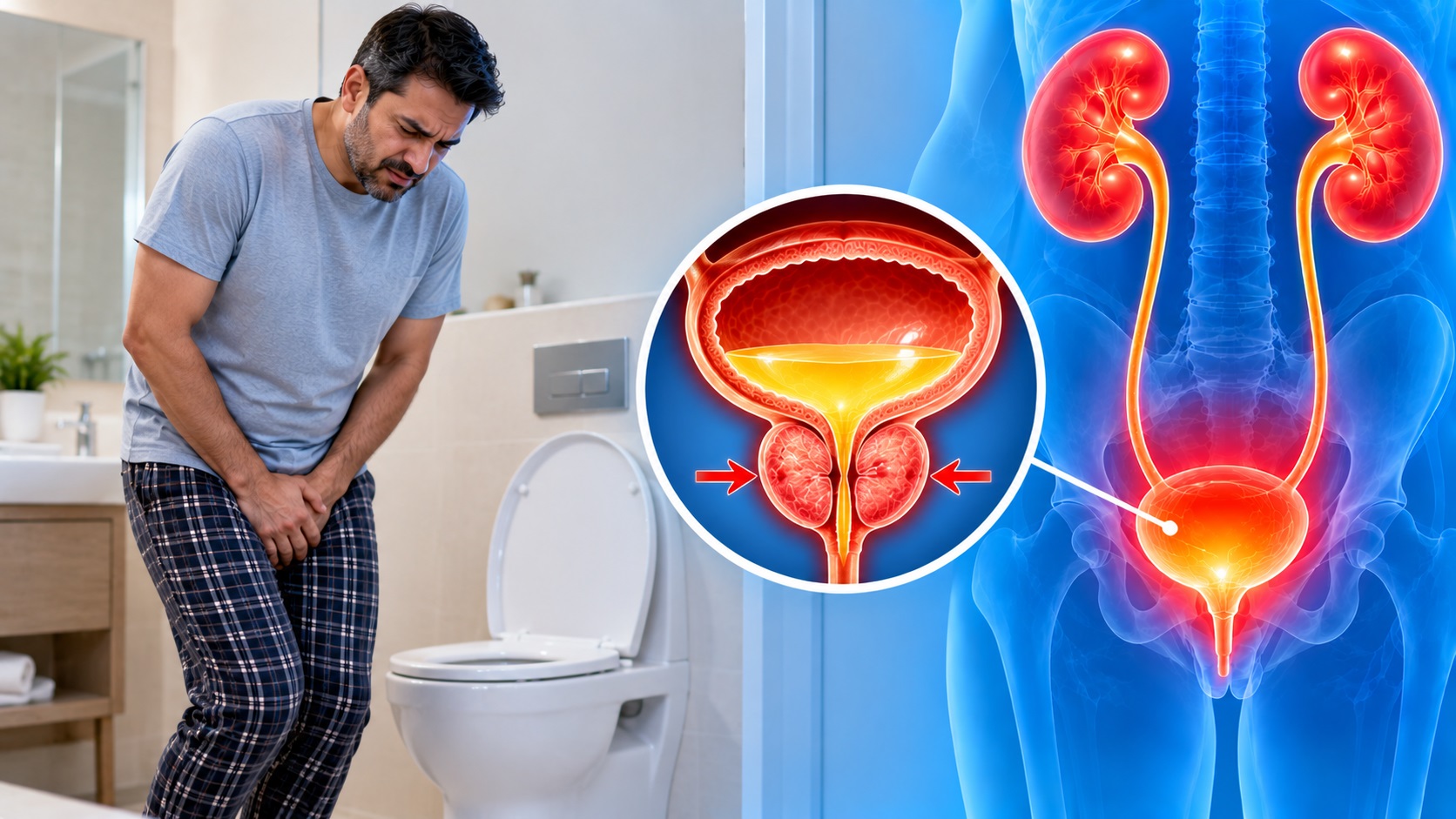
Difficulty Passing Urine
Weak stream, straining or incomplete emptying should be evaluated when persistent.

Urinary Incontinence
Unintentional urine leakage can affect quality of life and may have treatable causes.

Blood in Urine
Visible or persistent blood in urine requires appropriate medical assessment.
Urinary Tract Evaluation Process
The evaluation is tailored to symptoms, medical history and examination findings.
Medical History
Discussion of urinary symptoms, duration, previous infections, medicines and relevant health history.
Clinical Examination
A focused examination may be performed when clinically appropriate.
Urine Testing
Urinalysis and urine culture may be advised when infection or other urinary abnormalities are suspected.
Ultrasound & Imaging
Imaging may be recommended to assess the kidneys, bladder or urinary tract when indicated.
Bladder Function Assessment
Selected patients may need additional tests such as uroflowmetry or other functional assessment.
Personalized Treatment Plan
Findings are reviewed to decide appropriate medical, behavioural or procedural management.
Common Urinary Tract Problems
Different urinary symptoms can have different causes, so treatment is based on proper evaluation.
Bladder & Urinary Symptoms
Urinary Tract Conditions
Urinary Tract Care & Treatment
Treatment depends on the cause, severity and individual clinical situation.
Evaluation & Diagnosis
Appropriate tests help identify the likely cause of urinary symptoms and guide treatment.
Medical Management
Depending on the diagnosis, treatment may include medicines, infection-focused care and bladder-management strategies.
Lifestyle & Follow-up
Fluid habits, bladder routines and follow-up may form part of an individualized care plan.
What Happens During a Urinary Evaluation?
Your consultation is focused on understanding symptoms and selecting appropriate next steps.
Discuss Symptoms
Describe frequency, urgency, pain, leakage, stream changes or other concerns.
Review Medical History
Previous UTIs, surgeries, medicines and relevant health conditions are considered.
Examination
A focused examination may be performed when clinically needed.
Recommended Tests
Only clinically appropriate tests are recommended based on the presentation.
Explain Findings
The doctor discusses the likely cause and available management options.
Follow-up Plan
Follow-up is planned according to the condition and response to treatment.
Life With Better Urinary Health
Early evaluation can help address troublesome symptoms and support day-to-day comfort.
Comfortable Daily Routine
Better symptom control may make everyday activities more comfortable.
Bladder Confidence
Appropriate management can help patients better understand and manage bladder symptoms.
Reduced Recurrence Risk
Identifying contributing factors may help reduce repeated urinary problems in selected cases.
Planned Follow-up
Ongoing symptoms can be reviewed and treatment adjusted when required.
When Urinary Symptoms Shouldn't Be Ignored
Some urinary symptoms can be temporary, while persistent or recurrent symptoms deserve medical attention.
Repeated Infections
Recurrent UTIs may need evaluation for contributing factors.
Persistent Symptoms
Symptoms that continue despite initial measures may need further assessment.
Quality of Life Impact
Urgency, leakage or frequent urination can interfere with daily life.
New or Changing Symptoms
New urinary changes should be assessed when persistent or concerning.
Risks & Considerations
The right treatment depends on the underlying diagnosis. Not every symptom requires the same treatment.
Accurate Diagnosis
Symptoms may overlap between different conditions, so appropriate evaluation is important.
Medication Review
Tell your doctor about current medicines and previous treatments.
Hydration Advice
Fluid recommendations should be individualized, especially when other medical conditions are present.
Follow Instructions
Take prescribed medicines and follow investigation or follow-up instructions as advised.
Blood in Urine
Visible blood in urine should be medically assessed rather than self-treated.
Urgent Symptoms
Severe pain, fever with urinary symptoms, inability to pass urine or significant bleeding may require prompt medical care.
Before Your Consultation
After Evaluation
FAQs About Urinary Tract Disorders
What are common urinary tract symptoms?
When should I see a urologist?
Are recurrent UTIs always caused by infection?
Can urinary incontinence be treated?
What tests may be recommended?
Can I manage urinary symptoms without consultation?

Discuss Your Urinary Health With a Urologist
Persistent urinary symptoms deserve appropriate evaluation. Schedule a consultation to discuss your symptoms and possible next steps.
This page provides general educational information and does not replace a medical consultation or individualized diagnosis and treatment.