Mon - Sat: Morning - Evening Sunday: By appointment +91 90155 53810 dockaushalurologist@gmail.com
Book Appointment
Advanced Stone Treatment

What Is Endoscopic Stone Surgery?

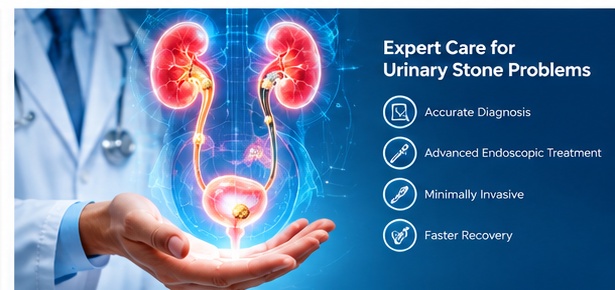
Endoscopic stone surgery is a minimally invasive approach used to diagnose and treat selected urinary stones using specialized instruments and a small camera passed through the natural urinary passage.

Depending on the size and location of the stone, procedures such as ureteroscopy and laser lithotripsy may be considered to break or remove stones from the ureter or kidney.

The choice of treatment depends on the stone's size, location, number, symptoms, imaging findings and the patient's overall health.
Important: Not every urinary stone requires surgery. Your urologist will recommend the most appropriate option after clinical evaluation and relevant investigations.
Patient-Focused Stone Care

Why Endoscopic Stone Treatment?

When clinically appropriate, endoscopic techniques can provide a targeted approach to selected urinary stones without a large external surgical incision.

Minimally Invasive

Uses the natural urinary passage rather than a large external surgical incision in appropriate cases.

Direct Visualization

A small camera helps the urologist visualize the urinary tract and stone during the procedure.

Targeted Treatment

Instruments and laser technology can be used to target selected stones during endoscopic treatment.

Personalized Planning

Treatment is selected according to stone characteristics and the patient's individual clinical needs.

Endoscopic Stone Procedures

Common Procedures Used for Stone Treatment

The exact procedure is selected after evaluating the stone's size, location, symptoms and imaging findings.

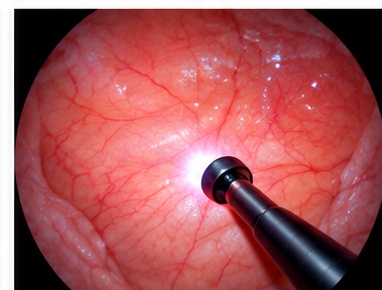
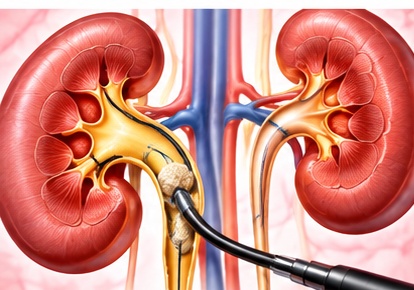
Ureteroscopy for kidney and ureteric stone treatment in Jaipur

Ureteroscopy (URS)

A small scope is passed through the urinary tract to reach and treat selected ureteric or kidney stones.

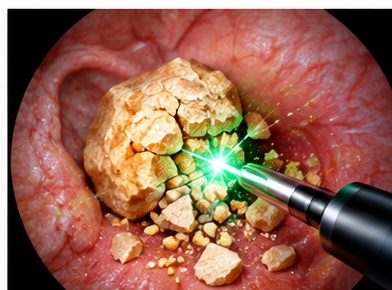
Laser lithotripsy for kidney stone treatment in Jaipur

Laser Lithotripsy

Laser energy may be used during ureteroscopy to fragment selected urinary stones into smaller pieces.

Endoscopic urinary tract examination and bladder stone evaluation

Endoscopic Stone Evaluation

Endoscopic examination may be used to evaluate selected bladder or lower urinary tract stone conditions.

Understand Your Procedure

How Endoscopic Stone Surgery Works

Here is a simple overview of the commonly used endoscopic stone-treatment pathway.

01

Ureteroscopy

A thin endoscope is introduced through the urinary passage to reach the ureter and, when appropriate, the kidney. The stone can then be assessed and treated.

02

Laser Stone Fragmentation

When suitable, laser energy is used to break the stone into smaller fragments. The fragments may then be removed with appropriate instruments or allowed to pass naturally, depending on the clinical situation.

03

Stone Removal

Depending on the stone and procedure, fragments may be retrieved using specialized endoscopic instruments.

04

Stent Placement When Required

In some cases, a temporary ureteric stent may be placed to support urine drainage and healing. Your urologist will explain whether this is required.

Please note: The exact procedure, anesthesia, need for a stent, expected recovery and follow-up vary between patients and depend on the clinical situation.
Know the Problem

Common Urinary Stone Locations

Stone location is one of the factors your urologist considers when planning treatment.

Kidney Stones

Stones can develop within the kidney. Selected kidney stones may be treated endoscopically depending on their size, location and clinical circumstances.

Ureteric Stones

Stones may move from the kidney into the ureter and sometimes cause pain or urinary obstruction. Ureteroscopy may be considered in selected cases.

Bladder Stones

Stones in the bladder can have different causes and may require evaluation of the underlying urinary condition as well as treatment of the stone.

Treatment Planning

Which Stone Treatment May Be Suitable?

This is a general patient guide. Your urologist will decide the appropriate treatment after examination and diagnostic evaluation.

Stone / Situation Possible Treatment Approach Factors Considered
Ureteric stone Ureteroscopy with or without laser lithotripsy Size, location, obstruction, symptoms and imaging
Selected kidney stone Ureteroscopy / laser lithotripsy or another suitable option Stone burden, location and patient factors
Multiple stones Individualized endoscopic or other stone-treatment plan Number, size, location and overall health
Bladder stone Endoscopic stone treatment when appropriate Stone size, number and underlying urinary problem
Recurrent stones Treatment plus evaluation of stone recurrence factors Previous history, stone analysis and metabolic factors
The presence of a urinary stone does not automatically mean surgery is required. Your urologist will discuss observation, medical treatment, endoscopic treatment or other options according to your condition.
Your Treatment Journey

What to Expect During Stone Treatment

Knowing the typical treatment pathway can help you prepare for your consultation.

01

Consultation

Your symptoms, previous stone history, medicines and medical conditions are reviewed.

02

Imaging & Diagnosis

Urine tests and imaging such as ultrasound or CT may be recommended depending on your symptoms and situation.

03

Treatment Planning

The urologist discusses whether observation, medication, endoscopic treatment or another approach is appropriate.

04

Endoscopic Procedure

If indicated, the selected procedure is performed using appropriate endoscopic instruments and clinical protocols.

05

Recovery

Recovery and discharge depend on the procedure, anesthesia, stone complexity and your individual condition.

06

Follow-up & Prevention

Follow-up may include review of recovery, stent management when applicable and advice to reduce future stone risk.

Before Your Procedure

How to Prepare

Preparation varies according to the procedure, anesthesia and your medical history.

  • Bring your previous scan and investigation reports
  • Tell the doctor about all medicines you take
  • Inform the team about allergies and previous procedures
  • Complete any tests recommended before treatment
  • Follow fasting instructions when anesthesia is planned
Do not stop blood thinners or other prescribed medicines on your own. Follow the instructions provided by your treating medical team.
After Your Procedure

Recovery & Aftercare

Your recovery plan will depend on the type and complexity of the stone procedure.

  • Take prescribed medicines as directed
  • Follow fluid and activity instructions
  • Follow any stent or catheter instructions
  • Attend your scheduled follow-up
  • Follow advice regarding prevention of future stones
Seek prompt medical attention for high fever or chills, severe or worsening pain, significant bleeding, difficulty passing urine or other concerning symptoms.
Expert Urological Care

Why Choose Ekanshi Clinic?

Our approach focuses on accurate evaluation, appropriate treatment selection and clear guidance throughout your stone-treatment journey.

Expert Urological Care

Specialist-led evaluation and treatment planning for urinary stone conditions.

Advanced Techniques

Modern endoscopic approaches and laser technology when clinically appropriate.

Personalized Treatment

Treatment recommendations based on stone characteristics and individual patient factors.

Patient Guidance

Clear information about diagnosis, procedure, recovery and follow-up.

Patient Information

Frequently Asked Questions About Endoscopic Stone Surgery

Common questions patients may have before discussing stone treatment with a urologist.

What is endoscopic stone surgery?
Endoscopic stone surgery is a minimally invasive approach that uses a small camera and specialized instruments passed through the urinary passage to diagnose and treat selected urinary stones.
Can kidney stones be treated with ureteroscopy?
Selected kidney stones can be treated with ureteroscopy, often with laser lithotripsy. Suitability depends on the stone's size, location, number and the patient's condition.
What is laser lithotripsy?
Laser lithotripsy uses laser energy during an appropriate endoscopic procedure to fragment urinary stones into smaller pieces for removal or passage.
Is endoscopic stone surgery painful?
The experience varies according to the procedure, anesthesia and individual patient. Your treating team will explain pain-management and recovery expectations.
Will a ureteric stent be required?
A temporary ureteric stent may be used in some patients after stone treatment. Whether a stent is required depends on the procedure and the clinical situation.
How long does recovery take?
Recovery varies according to the stone, procedure, anesthesia and individual health. Your urologist can provide more specific guidance after evaluation.
Can urinary stones come back after treatment?
Stone recurrence is possible. Follow-up and preventive advice may include hydration, dietary guidance, stone analysis or additional evaluation depending on the cause.
When should I see a urologist for a kidney stone?
Consult a qualified urologist for persistent or severe stone-related symptoms, recurrent stones, urinary obstruction, blood in the urine or concerns about a diagnosed urinary stone.
Endoscopic stone surgery and laser lithotripsy treatment at Ekanshi Clinic Jaipur
Consult Our Expert

Get the Right Treatment for Your Urinary Stone

If you have a kidney or ureteric stone, get a proper evaluation to understand its size, location and available treatment options. Our urological team can guide you through diagnosis, treatment and follow-up.

Medical information: This page is for general patient education and does not replace consultation, diagnosis or treatment by a qualified medical professional. Treatment suitability, risks, recovery and outcomes vary from patient to patient.